
Bickley Park and Bromley Heritage Homes Guide 2026
Bickley Park and Bromley Heritage Homes Guide 2026
A garden can be one of the most important parts of a Bickley Park home. It may provide privacy, a view from the principal rooms or the space that makes a move worthwhile. Before describing it as a future building opportunity, however, establish what the existing house and land actually offer.
For a seller, the strongest starting point is a clear account of the plot, the relevant designations and any alterations already carried out. Present the setting positively, but keep verified facts separate from possibilities that need professional advice.
Do Bickley and Bickley Park mean the same planning area?
No single neighbourhood name should be treated as a planning boundary. Bromley provides conservation information and an interactive map for checking conservation areas and listed or locally listed buildings. Use the actual address, not a general description of the surrounding district.
There is another distinction worth understanding. Bromley’s published Local Plan appendix on Areas of Special Residential Character describes a Bickley area around Bickley Park Road and refers separately to the conservation area in Woodlands Road. These are different designations, not interchangeable labels.
A property may need more than one planning check. Ask your adviser to identify the policies and protections relevant to the site, then make sure the particulars describe the position accurately. The name Bickley Park does not establish that every nearby property has identical restrictions.
What information should you gather about the trees?
Start with any tree reports, past applications, decisions and maintenance records you already hold. Note which trees are on your land and which appear to belong to neighbouring property or the public highway. Where ownership or responsibility is uncertain, ask rather than assume.
Bromley’s tree protection guidance explains Tree Preservation Orders and the additional provisions affecting conservation areas. An absence of a visible marker on the tree is not evidence that it is unprotected.
Can you prune before the photographs are taken?
Do not arrange work simply to improve a photograph without checking the position. Consent or notice may be needed. Bromley explains the process for work to a protected tree and, separately, trees in conservation areas. Exemptions and the nature of the work matter, so seek property specific guidance before proceeding.
The same care is needed when a buyer asks whether a tree could be removed. Neither an estate agent’s opinion nor a neighbour’s previous work is permission. If the tree’s condition is a concern, use an appropriately qualified arboricultural professional.
Show how the plot works now
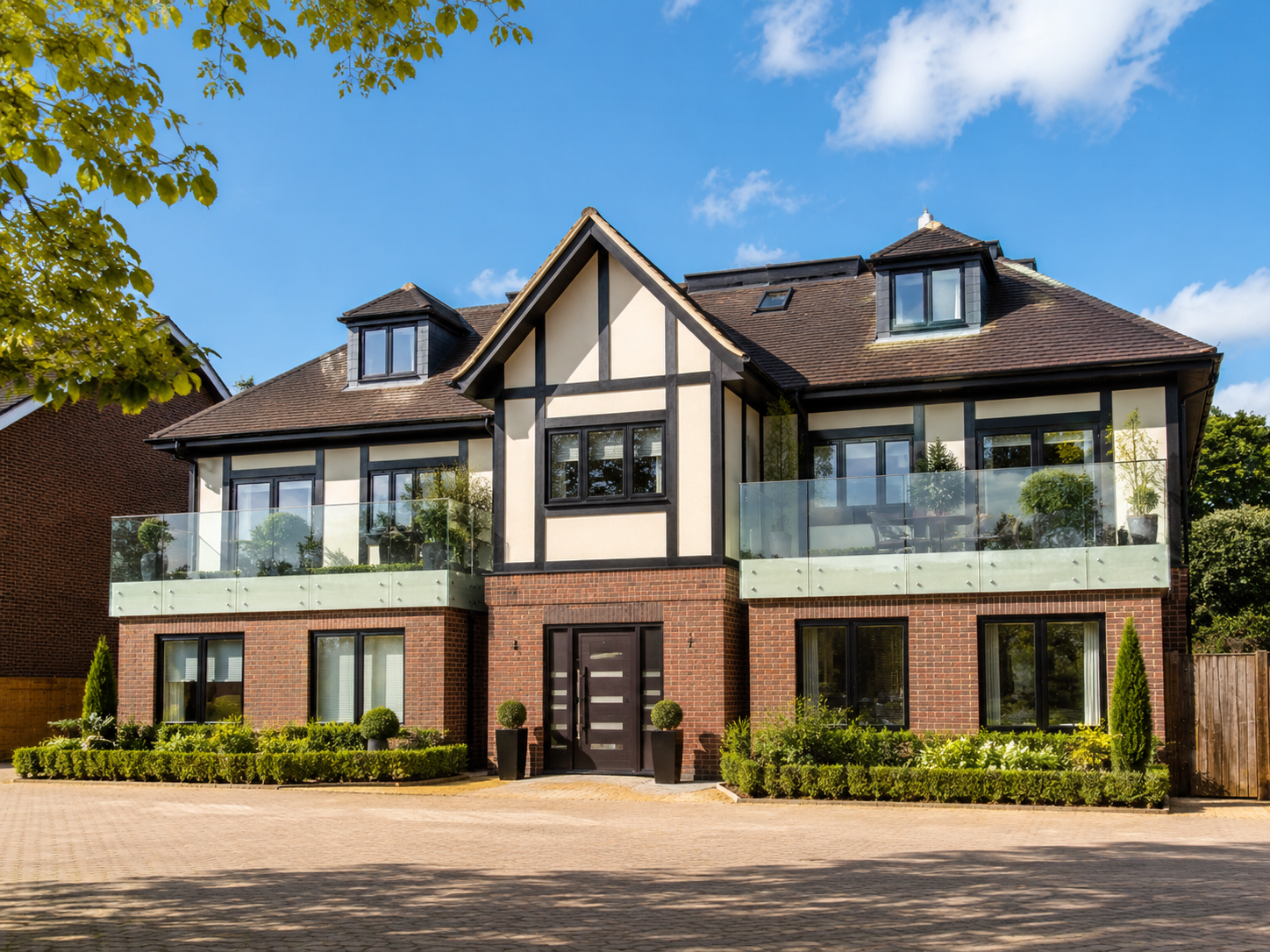
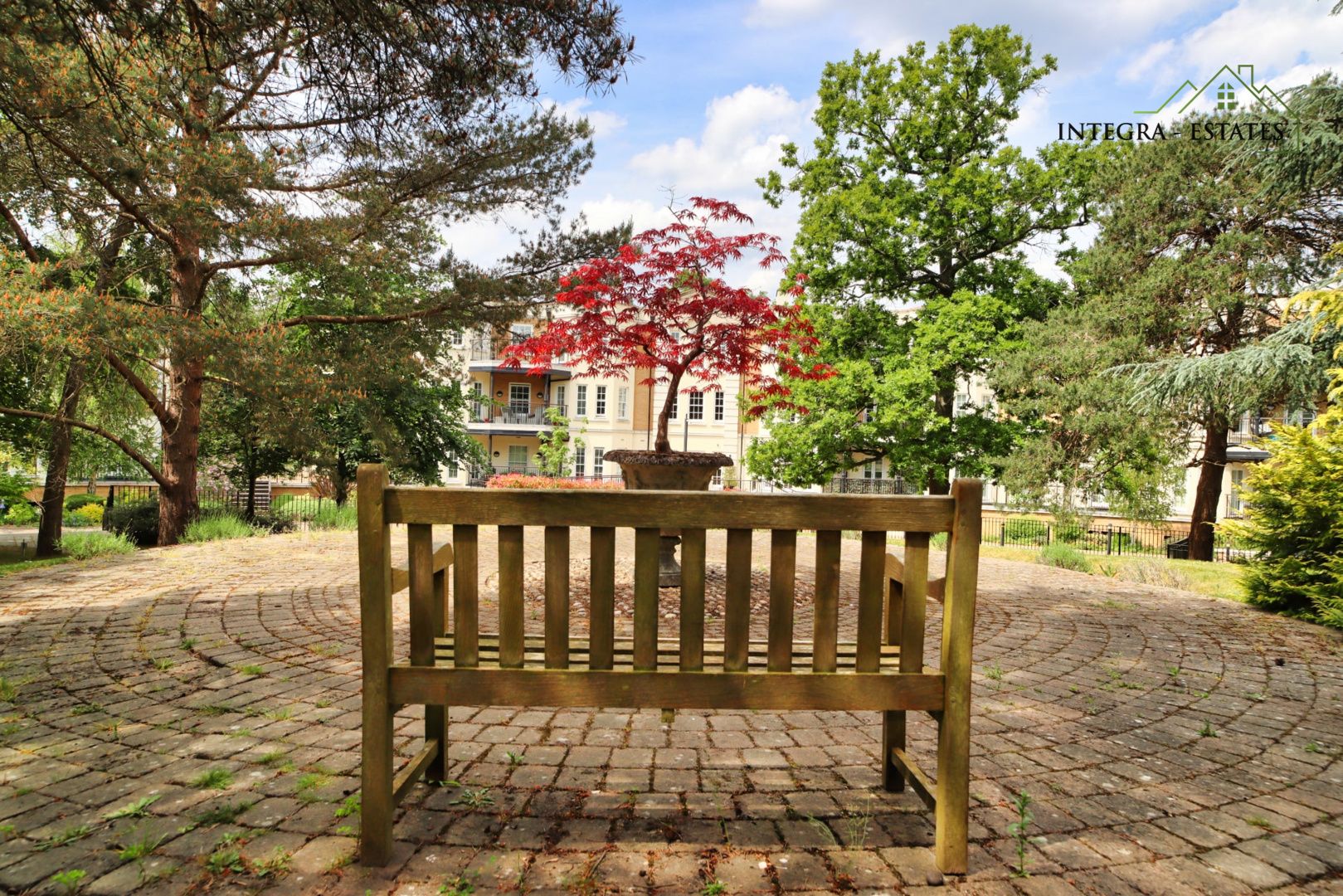
A garden’s size is only one part of its usefulness. Show its relationship with the living accommodation, the levels, access, seating areas and the degree of privacy visible at the time of the visit. A wide photograph looking back towards the house can be particularly helpful.
For the frontage, explain the practical parking arrangement and the way a vehicle enters and leaves. Avoid suggesting that paving, a gate or available space alone establishes an unrestricted right to use it in a particular way.
Check the documents for rights of way, covenants and boundaries. HM Land Registry’s guidance explains that title registers can contain rights and restrictions, while title plans show general boundaries. Your conveyancer should interpret the relevant documents rather than relying on a marketing plan.
How should extension potential be described?
Distinguish the house as it stands, an existing permission and an idea that has not been assessed. Those are three different things. A neighbouring extension may prompt a useful question, but does not establish that an equivalent proposal would be accepted on your plot.
Where permission exists, provide the decision and approved plans to your adviser. Ask about conditions, implementation and any other approvals or private restrictions. Do not describe a consent as current or usable merely because an old drawing is available.
A buyer should be able to tell whether they are considering existing accommodation, an approved scheme or an untested possibility. Accurate wording protects that distinction without suppressing the home’s appeal.
Prepare the history of work to the house
Put the records you hold into date order. Windows, roof work, extensions and internal alterations may have different documents and different professional questions attached to them. A recent decorative finish is not evidence that the underlying work was approved.
Make the distinction between planning and building control clear. A planning decision does not, by itself, demonstrate compliance with Building Regulations. The government’s Building Regulations approval guidance explains that separate requirements can apply.
Ask your solicitor to review gaps before promising a solution to a buyer. Depending on the circumstances, further enquiries or specialist advice may be needed. The sensible first step is to understand the issue, not to assume that it is either fatal or irrelevant.
How does this information help a valuation?
It allows the discussion to concern the property that can actually be sold. Ask the agent to explain the existing accommodation, condition and setting before attributing value to a future project.
Comparable evidence should distinguish different house types, plot arrangements and levels of improvement. A broad road average or a historic high price nearby cannot replace that explanation. Where judgement is necessary, the assumptions should be visible.
For broader location context, our Bickley and Bromley living guide is separate from these property specific checks. The two discussions should complement one another.
Common questions before a Bickley Park sale
Does conservation status stop every alteration?
It should not be interpreted as a blanket answer to every proposal. The particular designation, property and work need checking. Seek appropriate planning advice before assuming either that consent is unnecessary or that change is impossible.
Should I remove mature planting to make the garden look larger?
Not as a default. Consider its contribution to the setting, any protections and the work involved. Tidying and clear photography may explain the space without changing an established garden.
Discuss your Bickley home with Integra-Estates
We can help you organise the information needed for a selling conversation and plan a presentation that explains the house and its setting. Our marketing approach starts with the property, rather than a list of assumptions about the area.
Call 020 3870 0000 to discuss your plans. Legal, planning, tree and structural questions should be resolved by the appropriate professional; our role is to keep the property advice and marketing clear.
How much is your property worth?
Get your property valued by a local expert
Get A Valuation
-1.png)
.jpg)
.jpg)
.jpg)

Blogs
Loading photographs…
Let's Talk
If you want to discuss your property, plans for the future, or just want some friendly advice. There'll be no pressure, Just equal measures of common sense and expert advice to point you in the right direction.
Get In Touch