

Buying a Leasehold Flat in Bromley: The Essential Checks
Buying a Leasehold Flat in Bromley: The Essential Checks
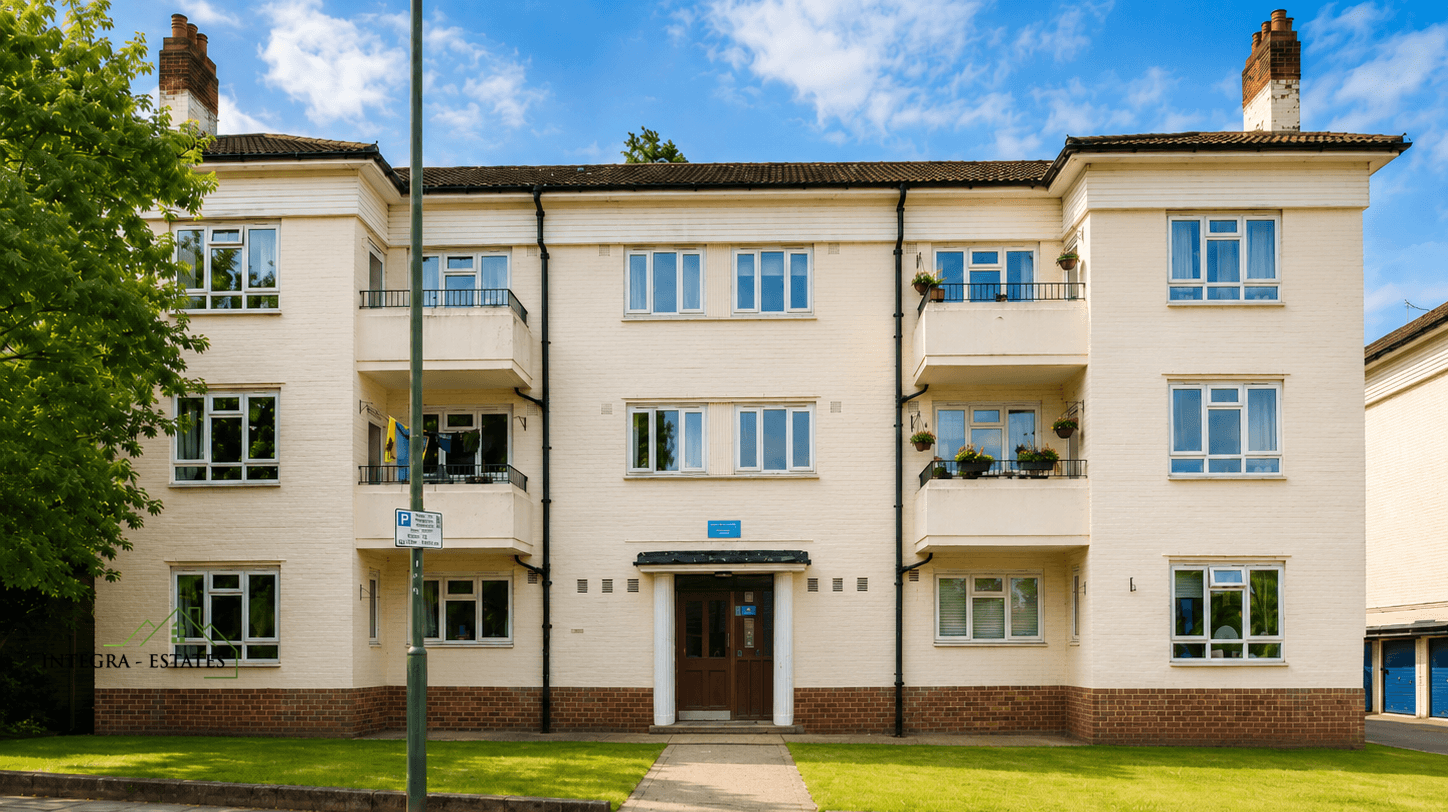
A leasehold flat can be the right home and still require a careful investigation. The viewing tells you about the rooms. The lease, management information and survey tell you much more about what you would own, what you would pay and which decisions would be outside your control.
When buying a flat in Bromley, begin those enquiries early. A well presented kitchen is easy to assess. A future repair obligation or an unusual lease clause usually takes more work to understand.
What exactly are you buying?
Ask your solicitor to explain the extent of the property included in the lease. That can matter for a loft, balcony, garden, parking space or external store as much as for the rooms themselves.
Identify the rights you need to use the home normally, including access through communal areas and any routes to bins, parking or outside space. A feature shown in a brochure should be supported by the appropriate legal right where ownership or exclusive use is being claimed.
The Leasehold Advisory Service’s guide to buying leasehold property is a useful starting point. It does not replace a solicitor’s advice on the actual documents for your purchase.
Understand the remaining lease term
Establish the lease commencement date and original term, then ask your solicitor to confirm the remaining years. Do not rely on a rounded figure repeated from an old listing.
Discuss the term with your mortgage adviser and solicitor before treating a future extension as a simple administrative step. Eligibility, the legal route, costs and lender requirements all need to be assessed for the particular property.
Leasehold legislation is changing, but that does not mean every announced reform is already available. Check the current LEASE guidance on leasehold reforms rather than assuming a headline about an Act has changed your immediate rights or the cost of an extension.
Ask for the lease commencement date as well as its original length. “A 125 year lease” can mean a newly granted term, the term when the lease was first created, or an extension still being arranged. Those are different positions for a buyer and lender. Obtain a dated statement of the remaining term and any proposed extension arrangements.
Read the charges as an ongoing commitment
Look beyond the latest service charge demand. Ask for the recent accounts, current budget, any balancing charges and information about reserve funds. Understand which services are included and which household costs you would still pay separately.
For ground rent, establish the amount, review provisions and dates from the lease. A statement that the current payment is modest does not explain how it might change. Your solicitor and lender should assess the terms rather than relying on a general description such as “standard ground rent”.
A useful personal exercise is to put the mortgage payment, service charge, ground rent where applicable, council tax, utilities and your own maintenance allowance into one monthly budget. This is a planning exercise, not a forecast of what future charges will be.
Ask about major works before you negotiate
Find out whether substantial repairs have been proposed, consulted on, agreed or completed. Ask about roof works, external decoration, lifts and any relevant building safety matters rather than assuming that a recently painted hallway represents the whole maintenance position.
The important questions are what is known, what remains uncertain, how the lease allocates costs and whether funds have already been collected. LEASE explains the relationship between major works and leaseholder payments.
Do not reduce a complex issue to the existence or absence of one certificate. Where building safety information is relevant, your solicitor and lender should identify what is required for that building and that transaction.
Who manages the building?
Establish the roles of the freeholder, any management company and the managing agent. Ask how repairs are reported, how accounts are supplied and whether there are known disputes or arrears affecting the sale.
In a smaller converted building, an informal arrangement may feel straightforward, but the legal obligations still need to be clear. In a larger block, a professional managing agent does not remove the need to examine the finances and the building’s condition.
A share of the freehold should not be treated as meaning there is no lease, no shared decision making or no maintenance bill. Ask your solicitor to explain the complete ownership structure.
Once the ownership position is clear, our guide to living near Bickley and Bromley helps with the next question: whether the address and everyday journeys suit the household.
Is a small converted building easier to investigate?
It may have fewer shared facilities, but you still need clear information about the lease, repairs and decision making. An informal arrangement between current neighbours does not fully explain a new owner’s obligations.
Does a reserve fund mean there will be no extra bills?
No. Establish the fund’s purpose, balance and anticipated expenditure through the management information. The presence of a reserve does not guarantee that it will meet every future repair cost.
When should you raise concerns?
Raise material questions before you become committed, not on the assumption that they will resolve themselves near completion. Tell your solicitor what matters to you, including pets, home working, letting, alterations or use of outside space, so the relevant terms can be checked.
Buy the home with an understanding of the obligations that come with it, not merely confidence in the rooms you have seen.
The Tylney Road apartment featured on our website illustrates why the accommodation and the proposed lease arrangements should be considered together. Always obtain the latest particulars before relying on a specific property example.
Integra-Estates can help obtain information from a seller and keep the transaction moving. Your solicitor, surveyor and mortgage adviser should provide the specialist advice needed for your purchase. Call 020 3870 0000 to discuss a Bromley property.
How much is your property worth?
Get your property valued by a local expert
Get A Valuation
-1.png)
.jpg)
.jpg)
.jpg)


Blogs
Loading photographs…
Let's Talk
If you want to discuss your property, plans for the future, or just want some friendly advice. There'll be no pressure, Just equal measures of common sense and expert advice to point you in the right direction.
Get In Touch