
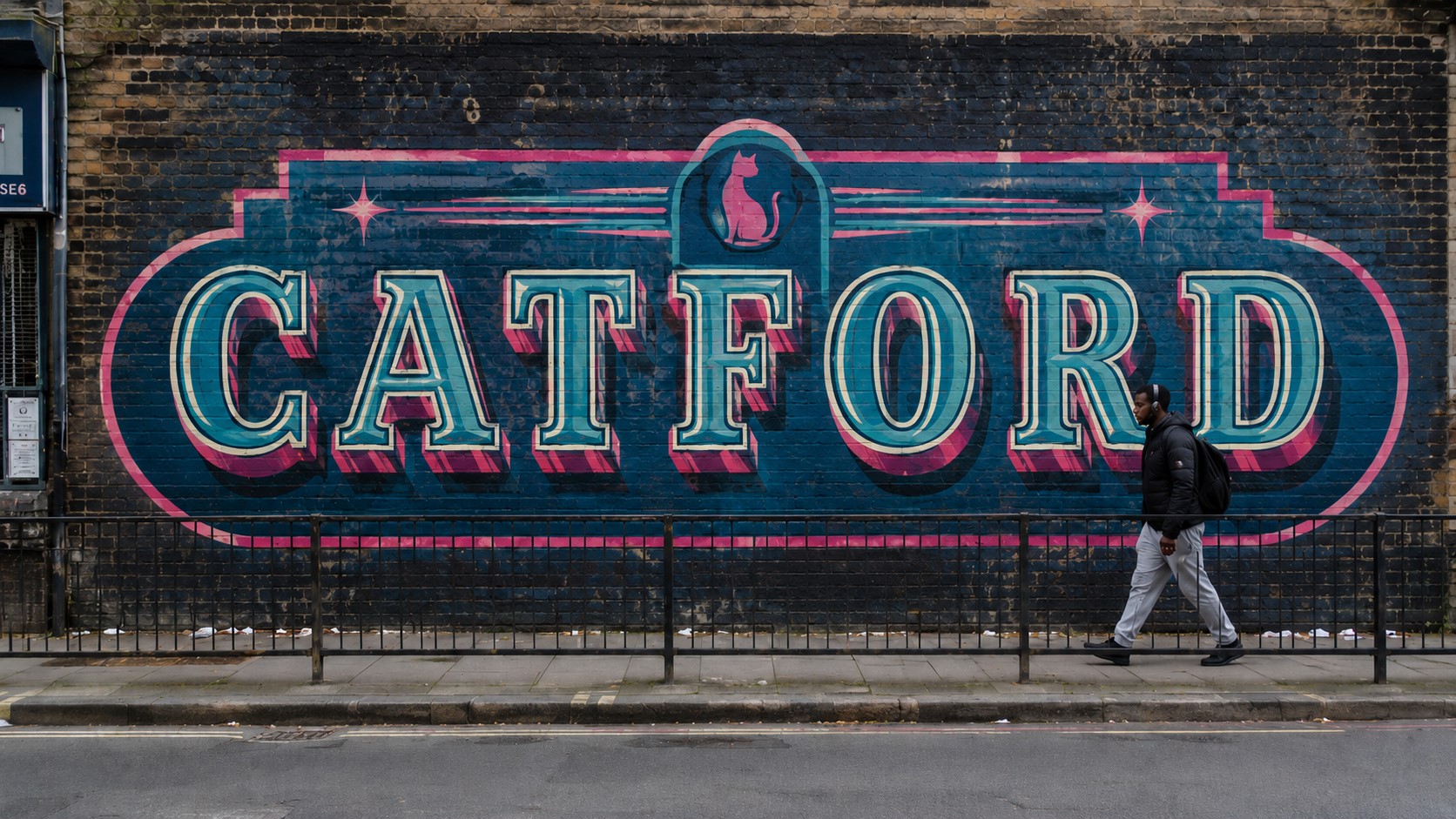
A railway Catford sign spray painted on a wall with a gentleman walking past. Catford SE6 Corbett estate and Hither green estate agents

Corbett Estate Agent: Hither Green Road-by-Road Seller Guide

Written by: Thomas Bailey

Corbett Estate Agent: Hither Green Road-by-Road Seller Guide

A Corbett Estate agent should understand more than bedrooms, square footage and asking prices. On this estate, value is shaped by road position, period character, garden depth, school demand, station access, condition, layout and a history that still runs through the streets more than a century after the first houses were built.

The Corbett Estate sits across the Catford and Hither Green borders, mainly around SE6 and SE13. It is one of south-east London’s most recognisable residential pockets, known for late Victorian and Edwardian homes, Scottish road names, bay windows, front gardens, chimney stacks, long residential roads and a strong sense of local identity.

For sellers, that identity matters. A house here should not be valued or marketed like an ordinary London terrace. A home on Minard Road may attract a slightly different audience from one on Torridon Road, Braidwood Road, Muirkirk Road, Wellmeadow Road or Brownhill Road. A double-fronted property, an unmodernised house with original bones, a carefully extended family home and a smaller starter house all need different handling.

This guide explains what makes the Corbett Estate different, why Hither Green buyer demand remains strong, and what sellers should consider before putting a local period home on the market.

Why the Corbett Estate Is Different from Ordinary London Suburbs

The Corbett Estate was not a random spread of houses. It was a planned residential development built around the idea of healthier suburban living, access to the railway and practical family homes for London’s growing commuter class.

Hither Green station opened in 1895. In 1896, Archibald Cameron Corbett bought 278 acres of North Park Farm and began building houses across Catford and Hither Green, on land that became known as the Corbett Estate. The Ideal Homes archive records that Corbett persuaded the railway company to build a booking hall on the east side of Hither Green station for residents and negotiated reduced-rate season tickets for them.

That early link between the estate and the railway still shapes the market today. Buyers are often drawn by the same basic promise: a proper house, a garden, a settled residential road and a workable journey into central London.

The estate’s design also gives it a recognisable rhythm. Many roads have repeated runs of period houses, bay windows, front gardens and brick detailing. The result is a neighbourhood that feels planned and coherent without being bland. That is why buyers often remember the road names and return to the estate after viewing elsewhere.

A good valuation should therefore begin with the exact address, not just the postcode. It should look at the road, the house type, the width of the plot, the layout, the garden, the original features, the extension history, the condition and the distance to transport and schools.

a traditional corbett home on glenfarg road SE6 Brick built, downstairs bay window and charming period features.


Archibald Corbett and the History Behind the Streets

Archibald Cameron Corbett was a Scottish developer, politician and reformer whose influence remains visible across this part of south-east London. The Corbett Society describes the Catford and Hither Green estate as a thriving, alcohol-free estate of low-density, well-built houses, with more than 13,000 inhabitants by the early twentieth century.

Corbett’s Scottish background is still seen in the road names. Minard, Torridon, Braidwood, Muirkirk, Glenfarg, Arngask, Killearn, Dowanhill, Birkhall and other names help give the estate its particular voice. Ideal Homes states clearly that Corbett was Scottish and gave his roads Scottish names.

This history is not just a nice detail for an area guide. It affects how people search. Buyers often look for homes by road name because the streets have such strong local recognition. Someone searching for a house on Minard Road or Torridon Road is often not browsing casually. They may already understand the estate, know the style of housing and be waiting for the right property to appear.

That is why the story behind the estate belongs in a serious property article. It helps buyers understand what they are buying into, and it helps sellers see why local detail can strengthen a marketing campaign.

Road-by-Road Property Character

The Corbett Estate is often spoken about as one area, but sellers should be careful with that. The roads are not identical. A buyer may like the estate as a whole, yet still prefer one part because of the station walk, the road width, the school route, the garden sizes or the feel of the houses.

Minard Road

Minard Road is one of the best-known roads on the estate. The Corbett Society describes it as one of the longest roads in the Catford and Hither Green area, running through the heart of the Corbett Estate from Hither Green Lane to Hazelbank Road. Building began in 1900, and when complete the road had 220 houses.

For sellers, Minard Road has strong name recognition. It is closely associated with family homes, period detail and local school demand. Sandhurst Primary School’s main entrance is on Minard Road, which adds to the road’s everyday relevance for families.

A Minard Road listing should be precise. It should explain whether the house is extended, whether original features remain, how the garden works, whether the loft has been converted, and how the layout suits modern family life.

Torridon Road

Torridon Road is one of the estate’s defining addresses. The Corbett Society records that it was one of the first roads developed on the estate, with houses built in 1898. It starts near Springbank Road, south of Hither Green station, crosses Brownhill Road and continues towards Hazelbank Road.

The same source records 215 houses on Torridon Road in the 1911 census and notes that the houses vary considerably in size and style. That matters. A larger double-fronted house on Torridon Road should not be marketed in the same way as a smaller house further along the road.

Torridon Road also has historical weight. Ideal Homes describes the transformation of southern Hither Green from farmland to suburbia as the work of Archibald Cameron Corbett and includes an early image of Torridon Road from 1910.

Braidwood Road

Braidwood Road is a mid-sized Corbett Estate road running from Torridon Road to Muirkirk Road. The Corbett Society records that building began around 1902 and that the completed road had 124 houses, with 528 people living there in the 1911 census.

For many buyers, roads like Braidwood offer the classic Corbett feel: period houses, a residential setting, a clear connection to the wider estate and a sense of neighbourhood that is harder to describe on a floorplan.

For sellers, the strongest marketing angle is usually the balance between character and practicality. The road name gives local context, but the house still needs to be explained in detail.

Muirkirk Road

Muirkirk Road is another important Corbett street with a Scottish name. The Corbett Society records that it was named after Muirkirk in Ayrshire, around 40 miles south of Glasgow, and that the road runs from Sandhurst Road to Ardoch Road. Building began in 1906, and the completed road had 110 houses.

Muirkirk Road also had an original shopping parade, which helps show how the estate was planned as a working neighbourhood rather than just a set of houses. The same source records 17 shops on the west side of Muirkirk Road and four more opposite.

That local infrastructure is part of the estate’s original appeal. Even now, buyers often respond to streets that feel connected to daily life, not isolated from it.

Wellmeadow Road

Wellmeadow Road is one of the road names buyers often recognise when searching for family homes on the Corbett Estate. It forms part of the eastern side of the estate and is close to Hither Green Lane and the station side of the area.

For sellers, Wellmeadow Road should be marketed with attention to house size, garden quality, layout and proximity to transport. Larger or extended homes on this side of the estate may appeal to buyers who want period character with practical access to Hither Green station.

Where a house has a cellar, loft conversion, wider plot, off-street parking or a particularly good garden, those features should be explained clearly rather than hidden behind vague wording.

Brownhill Road

Brownhill Road has a different feel because of its wider road role and stronger traffic presence. However, it has historically included some larger Corbett houses. The Corbett Society’s Brownhill Road research quotes an early estate brochure describing villas with 47-foot frontages, large cellar accommodation and six bedrooms.

This is important because Brownhill Road cannot be judged only by broad assumptions. Some buyers may be cautious because of the road’s busier nature, while others may be drawn by larger proportions, wider frontages or better value compared with quieter nearby roads.

A good valuation should reflect both sides of that equation.

Sandhurst Road, Dowanhill Road and Nearby Corbett Streets

Sandhurst Road, Dowanhill Road, Killearn Road, Arngask Road, Glenfarg Road, Springbank Road, Verdant Lane and the surrounding streets all contribute to the estate’s identity.

Dowanhill Road is especially interesting because the Corbett Society describes how it runs east to west from Verdant Lane to Muirkirk Road, crossing the local watershed and undulating as it moves between the Quaggy and Ravensbourne valleys.

That kind of detail matters because buyers experience roads physically. Steps, slopes, garden levels, views, traffic, parking and light can all affect how a house feels during a viewing.


front of house of a traditional home on Wellmeadow road, Catford, SE6 tall, sash windows and impressive.


The Age and Style of Corbett Estate Homes

Most Corbett Estate homes are late Victorian or Edwardian, built mainly from the late 1890s into the early twentieth century. The estate’s development began after Corbett’s 1896 purchase of North Park Farm and followed the opening of Hither Green station in 1895.

That period gives the houses much of their appeal. Buyers often come to the Corbett Estate looking for features that newer homes rarely offer in quite the same way: bay windows, high ceilings, chimney breasts, fireplaces, timber floors, brick detail, cellars, front gardens and rear gardens with proper depth.

However, age alone does not create value. Condition matters. A buyer may love original features, but still be cautious if the roof, wiring, windows, heating, brickwork or damp proofing appear neglected.

The strongest Corbett homes usually combine period character with practical modern living. A bright front reception, a useful second reception, a good kitchen-diner, a garden that feels connected to the house and a well-planned loft can make a period home feel ready for modern life without losing its original identity.

Sellers should be specific when describing the house. “Period charm” is not enough. A better description might refer to the bay-fronted reception, ceiling height, restored floorboards, original fireplace, useful cellar storage, extended kitchen-diner, garden aspect or converted loft.

Specific language creates trust. It also helps the right buyers understand why the home is worth viewing.


What Adds Value to a Corbett Estate House

Value on the Corbett Estate usually comes from a combination of features.

Road position matters. A house on a road with strong local recognition, a pleasant residential feel and convenient access to schools or transport may attract more attention than a similar house in a less favoured position.

Width matters. Wider houses, double-fronted homes and properties with more flexible layouts can attract buyers who need long-term family space.

Original features matter when they are well kept. Fireplaces, ceiling height, bay windows, timber floors, decorative plasterwork and attractive brickwork can all support buyer confidence when the rest of the house feels cared for.

Garden quality matters. Many buyers searching in Hither Green and Catford want more outside space than they could find closer to central London. A garden that is tidy, usable and easy to see from the house can make the property feel larger and more complete.

Extension quality matters too. A good kitchen extension can transform the way a house works. A poor extension can create awkward light, wasted space or future maintenance concerns.

Loft conversions can add appeal when they are properly designed and supported by the right paperwork. Sellers should be ready to provide building control documentation where relevant.

Cellars can also add value as storage or practical utility space, but they should be described honestly. A basic cellar is useful, but it should not be oversold as living space unless properly converted and compliant.

A proper valuation should look at all of these details together. It should never rely only on an online estimate or a broad postcode average.


traditional Bay window found in corbett houses in Catford, SE6


Hither Green Station and Commuter Demand

Hither Green station remains one of the strongest reasons buyers consider this area. The station is managed by Southeastern and is listed at Fernbrook Road, Hither Green, SE13 5NF. Southeastern lists station staff availability seven days a week and ticket office hours across weekdays, Saturdays and Sundays.

Journey times are a major part of the appeal. Trainline reports that Hither Green to London Bridge takes around 17 minutes on average, with the fastest services taking around 9 minutes.

For sellers, transport wording should be accurate. Buyers do not like exaggeration. “Moments from the station” should only be used where it is genuinely fair. Better wording is often more measured: “well placed for Hither Green station”, “convenient for Hither Green rail links” or “within reach of services towards London Bridge, Charing Cross and Cannon Street.”

The commute may be what gets a buyer interested. The house, road, garden and condition are usually what make them act.

Schools, Parks and Family Life

Family demand is central to the Corbett Estate market. Many buyers are looking for a home where the school run, train journey, work-from-home setup, garden and weekend routine can all fit together.

Torridon Primary School is on Hazelbank Road and Ofsted records its February 2023 inspection outcome as Good. Sandhurst Primary School is on Minard Road, and Ofsted lists a school inspection dated 5 June 2024 with the report published on 1 July 2024.

School references in property marketing should always be careful. It is fair to mention that a home is near a school, but no listing should imply guaranteed admission. Admissions arrangements can change, and buyers should check directly with the relevant school or local authority.

Green space is also important. Mountsfield Park is one of the major local parks serving this part of Lewisham. Catford parkrun takes place at Mountsfield Park on Saturdays at 9:00am, according to the official parkrun page.

For buyers, these details are not decorative. They shape daily life. A house becomes more attractive when the school run, station journey, park visit and weekend routine all feel manageable.

How to Prepare a Corbett Estate Home for Valuation

A good valuation begins before the appointment. Sellers can help by preparing the right information and looking at the house through a buyer’s eyes.

Start with the front of the home. Corbett Estate streets have a strong frontage rhythm, so kerb appeal matters. Clear the path, tidy the front garden, repaint tired exterior woodwork if needed, clean windows and make sure bins do not dominate the first impression.

Inside, focus on light, flow and proportion. Bay windows should be visible. Hallways should feel open. Reception rooms should show their size. If the garden is a strength, make sure the view towards it is clear.

Gather paperwork early. Useful documents may include the EPC, boiler service records, planning documents, building control certificates, guarantees for damp works, roof works, windows, extensions, loft conversions or structural alterations.

Be honest about condition. Buyers of older houses expect some maintenance, but they respond better when the seller is organised and transparent.

A valuation should then consider the property in full: road position, house type, floor area, layout, garden, condition, original features, extension history, loft potential, cellar use, station access, school proximity and recent comparable evidence.

That is the difference between a quick estimate and a proper Corbett Estate valuation.

Common Mistakes Sellers Make

One common mistake is relying too heavily on a broad postcode average. SE6 and SE13 figures can provide context, but they cannot properly value a particular house on a particular Corbett road.

Another mistake is underplaying original detail. If a house has fireplaces, ceiling height, old floorboards, a strong hallway, decorative brickwork or a cellar, those details should be brought into the story.

A third mistake is launching before the property is ready. Poor presentation, missing paperwork, cluttered rooms, dark photography and unclear floorplans can weaken buyer confidence.

Some sellers also overstate station proximity. This can backfire. Buyers will check the walk themselves. Honest wording builds more trust than inflated claims.

Another mistake is failing to explain the garden. In this area, outside space is often one of the strongest selling points. A garden should be shown clearly in photos and described in terms of use, privacy, light and connection to the house.

Finally, some sellers accept generic wording. A Corbett Estate home deserves more than “popular location” and “early viewing advised”. The road, history, features and buyer appeal should be properly explained.

What a Proper Corbett Estate Valuation Should Include

A proper valuation should not feel rushed. It should explain why a home is likely to attract a certain level of demand and where it sits within the local market.

The valuation should consider the exact road. It should look at whether the property is closer to Hither Green station, the Catford side of the estate, a school route, a quieter residential street or a busier road.

It should consider the architecture. Is the home double-fronted? Does it have a bay-fronted reception? Are the rooms well proportioned? Is the house wider than nearby examples? Does it retain original features?

It should consider condition. A beautifully maintained house can justify different pricing from a similar property needing major works.

It should consider the garden. Length, orientation, privacy, landscaping and connection to the kitchen or reception space can all influence buyer response.

It should consider future potential. Loft space, side-return potential, rear extension potential and cellar use may all matter, but only where they are realistic and subject to the necessary consents.

It should consider the current market. Official Land Registry and ONS data provide useful wider context; for example, the ONS local housing visualisation reported an average house price of £490,000 in Lewisham in March 2026, with terraced properties averaging £604,000. However, borough-level data is broad and cannot replace road-level comparable evidence.

The best valuation brings all of this together in plain English. A seller should understand not only the suggested price, but the reasoning behind it.


FAQs About Selling on the Corbett Estate and in Hither Green

Is the Corbett Estate in Catford or Hither Green?

The Corbett Estate sits across the Catford and Hither Green area, mainly around SE6 and SE13. Buyers often search both locations because the estate is connected to Catford, Hither Green station and the wider Lewisham market.

Who built the Corbett Estate?

The estate was developed by Archibald Cameron Corbett after he bought 278 acres of North Park Farm in 1896. The development followed the opening of Hither Green station in 1895.

Why do so many Corbett Estate roads have Scottish names?

Corbett was Scottish, and historical records state that he gave his roads Scottish names. That is why names such as Minard, Torridon, Braidwood, Muirkirk, Killearn, Arngask and Dowanhill are so closely linked with the estate.

What age are most Corbett Estate homes?

Most Corbett Estate homes are late Victorian or Edwardian, with development beginning after Corbett’s 1896 purchase of North Park Farm and continuing into the early twentieth century.

What features add value to a Corbett Estate house?

Road position, house width, period detail, garden size, condition, extension quality, loft potential, cellar use, school proximity and station access can all affect value. The strongest results usually come when several of these features work together.

Is Hither Green station important for buyers?

Yes. Hither Green station is one of the area’s strongest demand drivers. Trainline reports an average journey time of around 17 minutes from Hither Green to London Bridge, with the fastest services taking around 9 minutes.

Are schools important for Corbett Estate buyers?

Yes. Family buyers often ask about local schools, including Torridon Primary School and Sandhurst Primary School. Ofsted records Torridon Primary School’s February 2023 inspection outcome as Good and lists a June 2024 inspection for Sandhurst Primary School.

Should I rely on an online valuation for a Corbett Estate home?

An online valuation can be a starting point, but it cannot fully judge road position, period features, layout, garden quality, extension work, school demand, station access or the emotional appeal of a particular Corbett Estate house.

What should I prepare before a valuation?

Prepare paperwork for extensions, loft works, boiler servicing, guarantees, planning permissions and building control sign-off. Then look at the home as a buyer would: frontage, hallway, light, garden view, storage, layout and general condition.

Is it worth mentioning Archibald Corbett when selling a house here?

Yes, when it is done naturally. The estate’s history is part of its identity. Buyers interested in period homes often respond well to accurate local context, especially when it helps explain the road names, house style and planned nature of the area.

Conclusion

The Corbett Estate and Hither Green deserve more than ordinary property marketing. This is an area with a clear story, a strong visual identity and homes that buyers often search for by road, not just by postcode.

Archibald Corbett’s influence is still visible in the estate layout, the Scottish street names and the period houses that continue to attract families, commuters and buyers looking for character. The roads are not interchangeable. The houses are not identical. A proper valuation should reflect that.

For sellers, the message is simple: a Corbett Estate home should be valued with local care and marketed with proper detail. The right campaign should explain the road, the history, the house style, the garden, the station access, the school appeal and the features that make the property stand out.

That is how a listing becomes more than a set of photos. It becomes a clear, confident story about why the home matters and why the right buyer should act.

Thinking of selling a Corbett Estate home? A proper valuation should look beyond bedroom count. It should consider your road, house style, period detail, garden, layout, condition, extension potential, station access and recent comparable sales. For the strongest start, ask for a road-by-road valuation before setting your asking price.

If you would like to experience the Integra-Estates difference, contact us at 0203 870 00 00 Email [email protected] or why not visit our marketing our property page to understand the difference Integra-Estates can make to your sale https://integra-estates.com/marketing-your-property

Let's Talk

If you want to discuss your property, plans for the future, or just want some friendly advice. There'll be no pressure, Just equal measures of common sense and expert advice to point you in the right direction.

Get In Touch

get in touch