

Holwood Estate Keston: History Written Into the Land
Holwood Estate Keston: History Written Into the Land
Some places have history attached to them. At Holwood Estate, history is written into the landscape itself.
The routes through the grounds, mature planting, woodland, lakes and views are not accidental. They are the result of centuries of ownership, design and change.
Holwood is associated with political history, landscape architecture, abolition, nationally important buildings and an Iron Age monument.
To live within Holwood Estate is to live inside a landscape that has been shaped by people and events of genuine national significance.
Where is Holwood Estate?
Holwood Estate is situated in Keston within the London Borough of Bromley.
The setting lies near Keston Common, Downe, Bromley, Locksbottom and Orpington. Its position allows it to feel remarkably rural while remaining within Greater London and accessible to established town centres.
The modern residential community includes Wilberforce Court and other homes set among parkland, mature trees and historic landscape features.
Why is Holwood historically important?
The Historic England register entry for Holwood Park identifies the landscape as a Grade II registered park and garden of special historic interest.
The principal Holwood House is Grade I listed.
Historic England records an eighteenth century landscape park and pleasure grounds that were later owned by William Pitt the Younger. Pitt became Prime Minister of Great Britain and purchased Holwood in 1785.
The estate was therefore more than a private country residence. It became closely connected with political life during an important period of British history.
Who designed the Holwood landscape?
The story involves several influential figures.
William Pitt was personally involved in improvements to the estate, including roads, drives, drainage, planting and water features.
Around 1790, Pitt commissioned Humphry Repton to advise on the landscape. Repton became one of Britain’s most influential landscape designers and was known for shaping views, planting and the relationship between a country house and its grounds.
Historic England records that Repton advised on views and planting at Holwood. This helps explain why the landscape still feels composed, with long outlooks, mature trees and a deliberate sense of arrival.
Sir John Soane also enlarged the earlier house for Pitt.
After that building was destroyed by fire, John Ward commissioned architect Decimus Burton to rebuild Holwood House between 1823 and 1826. The resulting Grecian style villa occupies a prominent position within the estate landscape.
What is the connection with William Wilberforce?
William Wilberforce was a politician and leading campaigner against the transatlantic slave trade. He was also a close friend of William Pitt.
Historic England’s research records the Wilberforce Oak at Holwood as the location of a discussion between Pitt and Wilberforce in 1787 which helped set the parliamentary abolition campaign in motion.
That association gives the name Wilberforce Court a meaning rooted in the location itself.
The history should be discussed carefully and accurately. Abolition was not the achievement of one person alone. Black campaigners, formerly enslaved people, activists, writers and communities played essential roles alongside parliamentary figures.
The Wilberforce connection is important, but it belongs within the wider and more complex history of resistance to slavery and the campaign for abolition.
What happened to the original Wilberforce Oak?
The original oak became an important place of remembrance.
Over time, attempts were made to preserve its legacy through successor trees grown or planted nearby. The historic site remains associated with the conversation between Pitt and Wilberforce.
Visitors should remember that parts of Holwood are private. Heritage significance does not automatically create unrestricted public access.
How did the estate’s lakes develop?
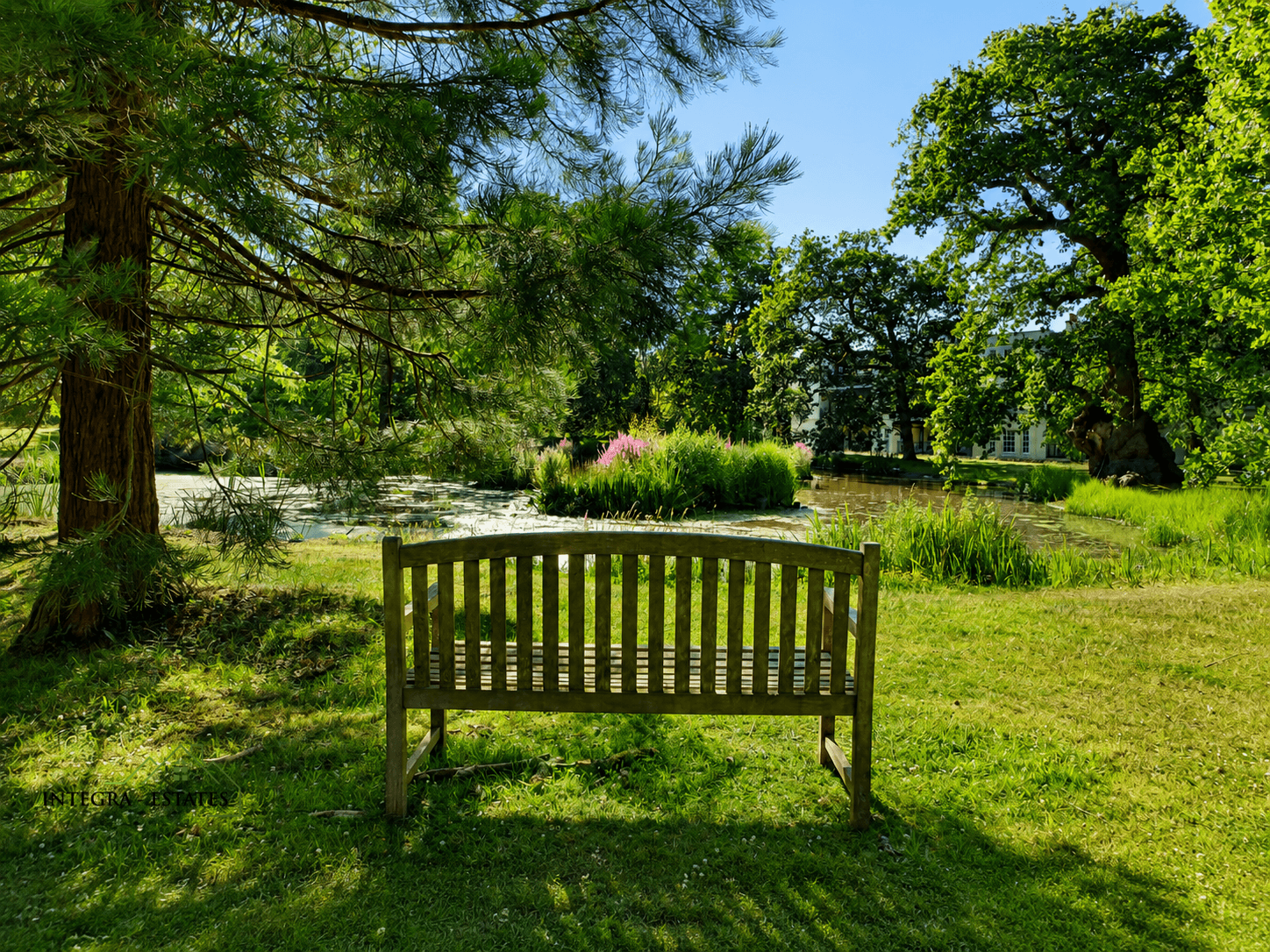
Water has long formed part of Holwood’s designed landscape.
Historic England records that Pitt was probably responsible for creating a large pond within Lake Wood. The area later developed from a single lake into a sequence of lakes and woodland water gardens.
John Ward expanded the design while later planting was undertaken during the ownership of the Earl of Derby.
The estate’s water features therefore have both scenic and historical significance. They were not simply modern additions created for a residential development.
At Wilberforce Court, views towards water, trees and landscaped grounds continue to influence how individual apartments feel. Some properties look towards the courtyard, while others enjoy more open views across gardens, woodland or the lake.
What is Caesar’s Camp?
The northern part of Holwood Park contains an Iron Age hillfort known as Caesar’s Camp.
It is a scheduled ancient monument and predates the country estate by many centuries.
Despite the name, there is no suggestion that Julius Caesar constructed it. The name reflects a tradition in which ancient earthworks were often associated with Caesar without firm archaeological evidence.
Its survival adds another historical layer to Holwood. The landscape contains evidence of human activity from the Iron Age, eighteenth century political history, nineteenth century architecture and modern residential use.
How did the Earl of Derby influence the estate?
The estate passed through several owners after John Ward.
Edward Henry Stanley, the Earl of Derby, acquired Holwood in 1876. Historic England records further changes to the landscape during the Derby period, including ornamental planting within Lake Wood and work around the walled garden.
This continued the long pattern of each generation adapting the estate while retaining its parkland character.
How did Holwood become a residential community?
During the twentieth century, parts of Holwood were used for commercial and institutional purposes. Further buildings were introduced within the grounds.
The estate was later transformed into an exclusive residential setting. Modern apartments and houses were incorporated into the landscape while the historic identity of Holwood remained central to its appeal.
The result is unusual. Residents are not living beside a recreated heritage feature. They are living within a landscape whose historical development can still be read through its routes, trees, water and outlooks.
What is Wilberforce Court like today?
Wilberforce Court offers apartments of differing sizes and layouts.
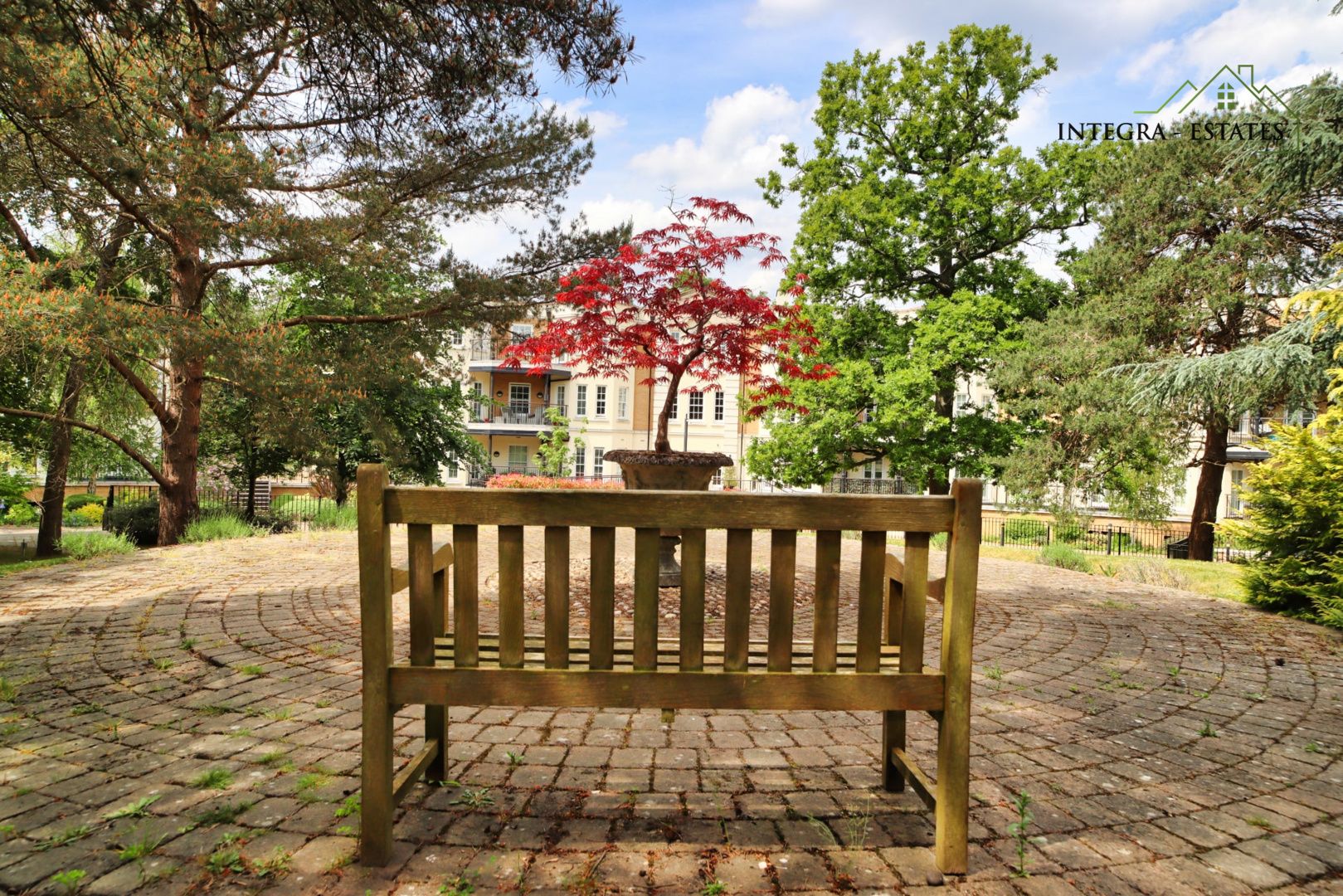
Some look towards the landscaped courtyard, where the architecture and communal setting create a sense of community. Others face gardens, woodland or water, offering a more secluded outlook.
Practical benefits include lift served communal areas, underground parking for many apartments and carefully maintained shared spaces. Exact entitlements vary between properties and should be confirmed through the lease and management information.
The setting remains the defining feature. Residents can experience seasonal planting, mature trees, estate walks, wildlife and a level of open space rarely associated with apartment living.
Our first hand guide to the Wilberforce Court lifestyle explores these benefits in greater detail.
Is Holwood House open to the public?
Holwood House and significant parts of its immediate grounds are private.
Anyone exploring the wider area should remain on recognised public paths and respect signage, residents and private boundaries.
Nearby Keston Common provides publicly accessible woodland and open space for those wishing to explore the local landscape.
Why does Holwood’s history matter to a property buyer?
History alone does not make a home suitable. It must still provide the right accommodation, condition, cost and practical arrangements.
However, history explains why the setting feels different.
The mature planting, long views, woodland, water, estate roads and sense of arrival have developed through centuries of landscape decisions. That gives Holwood a depth which a recently constructed development would struggle to reproduce.
Buyers are not simply acquiring rooms within a building. They are becoming part of an established and historically significant landscape.
What should buyers verify?
Anyone purchasing within Holwood Estate should ask their solicitor to confirm:
Rights to use communal grounds and particular routes.
Boundaries between private, communal and publicly accessible land.
Maintenance responsibilities and estate charges.
Tree protection, conservation or planning restrictions.
Rules governing parking, pets and external alterations.
Current and planned major works.
The precise parking and storage spaces included.
Any regulations applying to balconies or terraces.
Historic surroundings are a powerful benefit, but a buyer should understand how the estate is managed in the present day.
What makes Holwood Estate special?
Holwood brings together political history, landscape design, architecture, woodland, lakes and modern residential life.
William Pitt, William Wilberforce, Humphry Repton, Sir John Soane and Decimus Burton are all connected with its story. Caesar’s Camp adds a much earlier archaeological layer.
Yet the estate is not preserved as a static museum. It remains a living place where people wake to woodland views, walk through mature grounds and experience the landscape changing through the seasons.
For buyers considering the area, our detailed guide to living in Keston BR2 explains the surrounding amenities and natural environment.
To discuss a home within Wilberforce Court or Holwood Estate, please contact Integra-Estates on 0203 870 00 00 or email
How much is your property worth?
Get your property valued by a local expert
Get A Valuation
-1.png)
.jpg)
.jpg)
.jpg)

Blogs
Loading photographs…
Let's Talk
If you want to discuss your property, plans for the future, or just want some friendly advice. There'll be no pressure, Just equal measures of common sense and expert advice to point you in the right direction.
Get In Touch