

How Premium Property Marketing Delivered Results in SE13
How Premium Property Marketing Delivered Results in SE13
Premium property marketing is often mistaken for a better camera and more expensive adjectives. That is too shallow. The standard of a campaign is revealed by the quality of its decisions: what the asking price is designed to achieve, which buyer the presentation is speaking to, how accurately the details are explained and how the interest is converted into a secure offer.
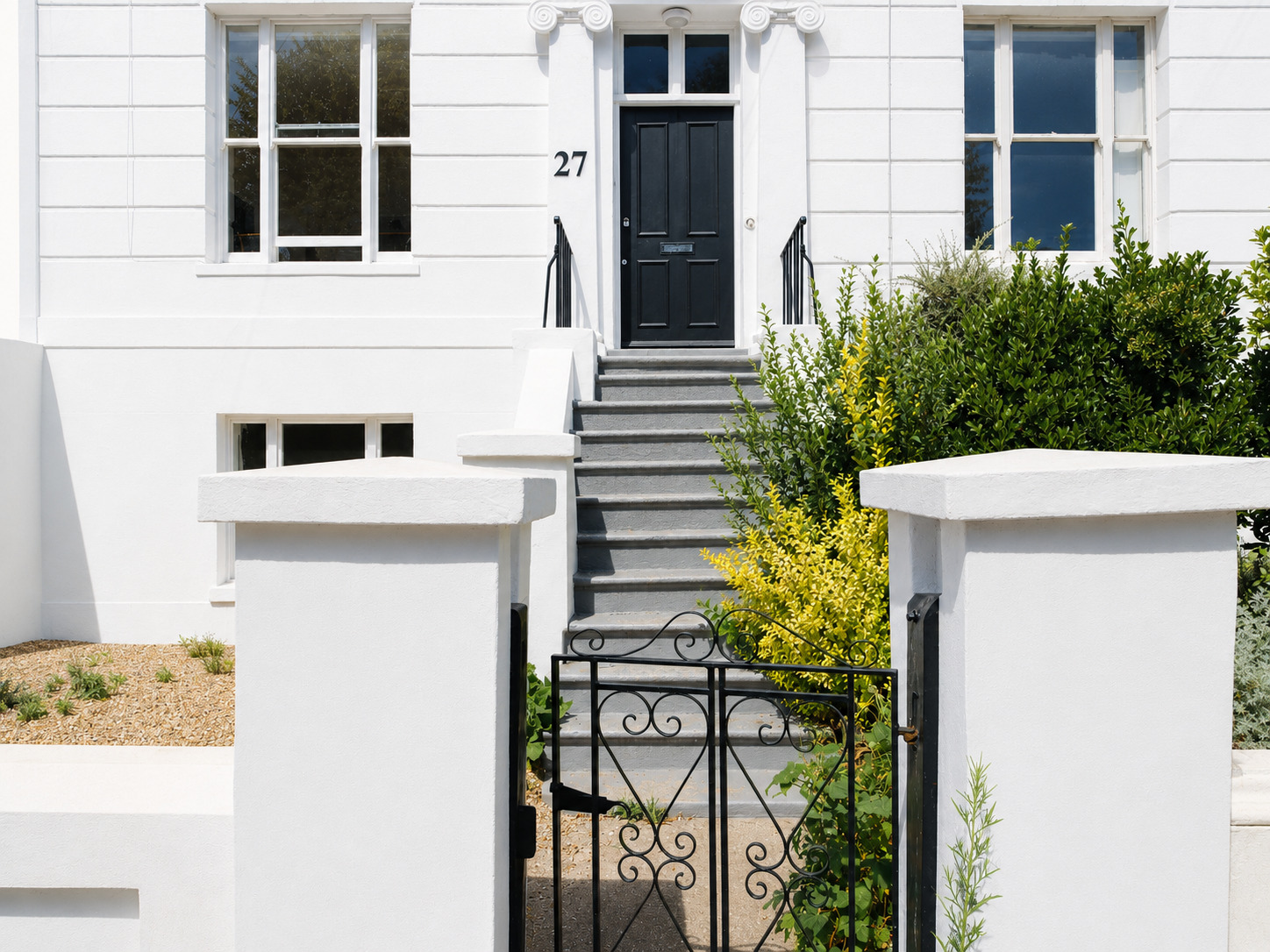
A recent Integra Estates sale on Glenton Road provides a clear example. The three bedroom Victorian maisonette attracted multiple interested buyers, achieved an offer above the asking price and was agreed for sale in under two weeks.
The home had exceptional qualities, but strong features do not market themselves. This guide explains the work that allows a distinctive SE13 property to stand apart without exaggeration.
Start with evidence rather than a flattering figure
A valuation should help a homeowner make a sound decision. It should not be a contest to see which agent can name the highest number. An unsupported asking price may feel encouraging at the appointment, but it can cost the seller attention during the first weeks of marketing.
The better approach begins with comparable evidence, current competition and the qualities that make the home different. Floor level, tenure, outdoor space, condition, light, room proportions and architectural character can all affect how buyers compare one property with another. The seller’s timescale and tolerance for risk matter too.
The Glenton Road maisonette was launched at offers in excess of £625,000. That position invited serious engagement while leaving buyers room to recognise the value of its three bedrooms, split level arrangement, original sash windows and direct garden access. Competition then supported an agreed offer above the asking price.
Define the buyer before writing the advert
A property description becomes more useful when the agent understands who is likely to value the home and why. A three bedroom period maisonette may appeal to a young family, a couple needing work space, buyers moving from a smaller flat or someone who values architecture but cannot find the same scale in a newer development.
Those buyers do not all use the same language. One may search for a family home in SE13. Another may focus on a Victorian maisonette near Hither Green. A third may look for a period property close to Blackheath or Lee. The campaign should reflect genuine search behaviour while remaining accurate about the address and its formal setting.
For Glenton Road, the local story was particularly important. The road sits within the Blackheath Conservation Area and is recognised by Lewisham Council for its Victorian terraces and townscape value. That context helped explain the property’s external presence rather than treating location as a list of nearby names.
Prepare the material facts before launch
Beautiful marketing loses credibility when essential information is missing. Buyers want to understand tenure, lease length, council tax, garden arrangements, service responsibilities and any known restrictions. Leasehold sellers should begin gathering documents early because the legal pack and management information can influence the pace of the transaction.
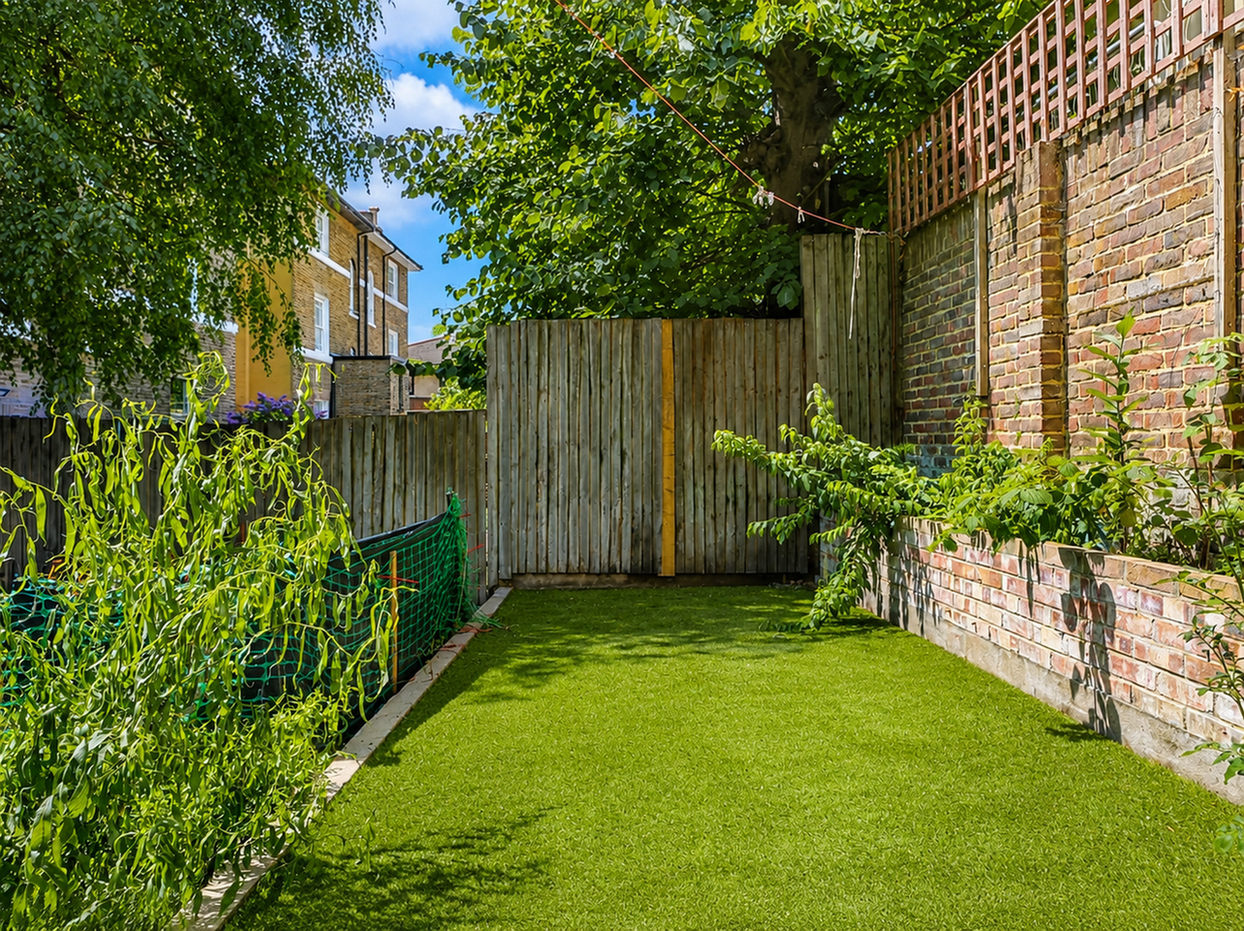
The current Glenton Road particulars record leasehold tenure, a 125 year lease, ground rent of £150, Council Tax Band D and building maintenance shared equally with the downstairs property. The rear garden is currently shared, with title information referring to the possibility of defined sections if fencing is introduced. Every point remains subject to a solicitor’s verification.
Presenting such details clearly does not weaken a listing. It allows serious buyers to assess the opportunity with fewer surprises and gives the agent better conversations at an earlier stage.
Make the first image earn attention
Property portals place the opening photograph in competition with every other listing on the screen. The first image therefore has a specific job. It should establish the strongest truthful reason to pause.
For a home on Glenton Road, the period facade and terrace context are powerful assets. A well-chosen exterior can communicate architectural scale, materials and the quality of the road before the buyer reads a word. Interior images must then maintain that standard by showing how rooms connect, where the light enters and what the proportions genuinely feel like.
More photographs do not automatically make a better campaign. Repetition can dilute attention. The sequence should move the viewer through the property with purpose and reserve enough detail to make the physical viewing worthwhile.
Use copy to translate features into relevance
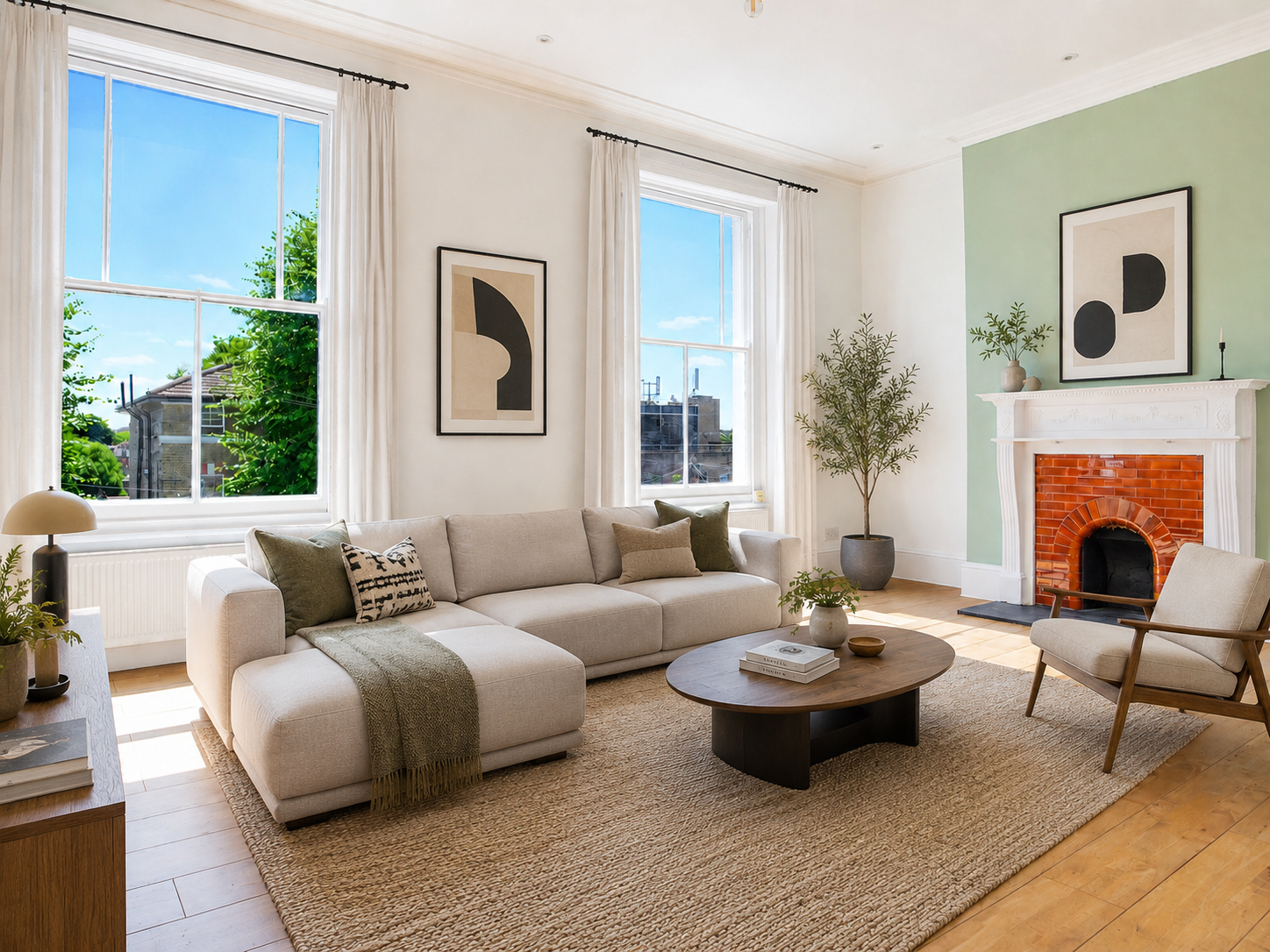
The phrase high ceilings is factual, but it becomes meaningful when the description explains the sense of volume those ceilings create. Original sash windows matter because of their proportions, light and contribution to the facade. A split level layout matters because it separates living space from bedrooms.
This is the difference between listing features and interpreting a home. The writing should help a buyer understand how the architecture affects daily life. It should also recognise limitations honestly. A shared garden is not a private garden. A digitally staged room is an illustration rather than evidence that furniture of any size will fit.
Specific writing is more persuasive than overstatement. It also performs better as search content because it answers the real questions buyers ask about the property type, road and local area.
Use virtual staging carefully and openly
Virtual staging can be valuable when a room is empty or when existing furniture makes its scale difficult to read. It can suggest a sensible use, add visual warmth and help online viewers understand the relationship between key features.
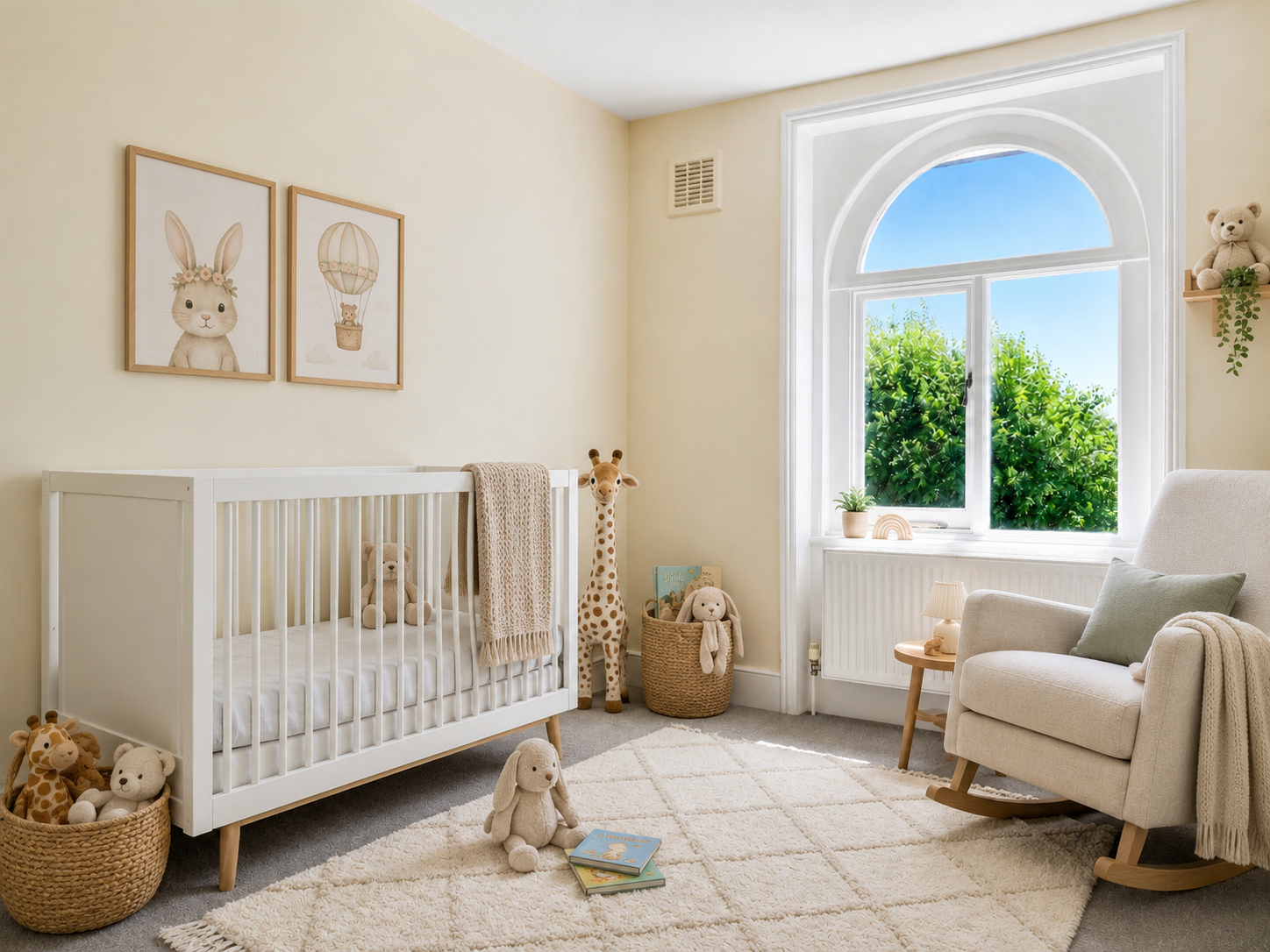
The standard must remain transparent. The underlying architecture should not be altered. Windows, fireplaces, room dimensions, views and permanent finishes must stay faithful to the source image. Any staged photograph should be identified clearly and the furniture should be presented as illustrative rather than to scale.
Selected Glenton Road images were digitally staged and disclosed as such. That allowed the campaign to show possible use while protecting buyer trust. In premium marketing, credibility is not a constraint. It is one of the qualities that makes the presentation stronger.
Launch with urgency but without pressure
The first phase of marketing should feel organised. Enquiries need prompt answers, viewings should be grouped sensibly and feedback should reach the seller while it is still useful. The aim is to make it easy for motivated buyers to engage, not to manufacture anxiety.
A disciplined launch can concentrate demand. Buyers who have been watching the SE13 market recognise a credible new listing quickly. When the price, imagery and description are aligned, several viewings can create a better evidence base for the seller within days.
That is what happened on Glenton Road. Multiple parties showed interest and the sale was agreed in under two weeks. The pace reflected the quality of the opportunity and the clarity of the campaign rather than a promise that every home should sell within the same period.
Qualify interest before negotiation
An enquiry is not the same as a buyer and an offer is not secure merely because the figure is attractive. Before advising a seller, the agent should understand the proposed funding, deposit, mortgage position, chain, timescale and any conditions attached to the offer.
This information allows competing proposals to be compared fairly. A higher offer with an uncertain chain may not suit a seller who values speed. A lower offer from a fully prepared buyer may deserve serious consideration. The right recommendation depends on the client’s priorities as well as the numbers.
Clear qualification also improves negotiation. The agent can identify where a buyer has genuine room to move, where a concern needs answering and where a proposal is unlikely to proceed. That makes the final conversation more useful to both parties.
Judge the whole offer rather than the headline
When competition develops, the seller should receive a structured account of each position. Price belongs at the centre of that discussion, but certainty, timing and complexity belong beside it.
On Glenton Road, the agreed offer exceeded the asking price. The exact figure is confidential. What matters for other sellers is the process that made a choice possible. A compelling launch created more than one interested party. Qualification turned interest into comparable information. Negotiation then protected the client’s position without misrepresenting the property or the competing buyers.
This is a more reliable definition of premium service than simply announcing the highest number.
Protect the transaction after the offer is accepted
A sale agreed board is not a completed sale. The period after acceptance requires active communication between the seller, buyer, solicitors, broker and any other agent in the chain. Delays should be identified early and information should reach the right person rather than circulating as assumption.
For a leasehold home, the seller can help by instructing a solicitor early and preparing the lease, building information, ground rent details and any relevant consents. The agent should confirm that the memorandum of sale is accurate and maintain a clear record of progress.
Good progression does not mean chasing everyone without purpose. It means knowing what the next material step is, who owns it and when the parties should expect an update.
What premium marketing should mean to an SE13 seller
A premium campaign should not be reserved for the most expensive home. It is a standard of care that can be applied to any property where the seller expects thoughtful advice and accurate representation.
For Integra Estates, that means a valuation with a defensible rationale, presentation built around the property’s strongest real qualities, local writing that understands the immediate road, open disclosure where images have been staged, prompt handling of enquiries and negotiation based on the whole buyer position.
The Glenton Road result shows what can happen when those parts support one another. Multiple buyers engaged, the asking price was exceeded and the sale was agreed within a fortnight. It was not a formula and it was not a guarantee. It was a property specific strategy delivered with focus.
Choosing an estate agent for a distinctive SE13 home
Before appointing an agent, ask to see how they would position your home against the properties buyers can choose today. Ask which image they would lead with, what evidence supports the asking price and how they will qualify offers. Look at the quality of their writing, not only the number of portals they use.
A useful agent should also be willing to challenge an assumption. The best advice is not always the most flattering answer in the room. It is the answer most likely to protect the client’s objectives when the property reaches the market.
That combination of honesty, local understanding and presentation quality is the Integra Estates difference.
Frequently asked questions about premium property marketing in SE13
What does premium property marketing include?
It includes evidence based pricing, carefully planned photography, property specific copy, accurate material information, responsible use of virtual staging, responsive enquiry handling, buyer qualification and active sales progression.
Can virtual staging help sell a property?
It can help buyers understand an empty room or a possible furniture layout. It should be disclosed clearly and must not alter the permanent architecture, condition, view or dimensions of the property.
Should an SE13 seller start with a high asking price and reduce later?
Not automatically. An unsupported price can weaken early attention and prolong the campaign. The best launch position depends on comparable evidence, current competition, the home’s individual qualities and the seller’s priorities.
How quickly should a property in SE13 sell?
There is no responsible fixed answer. Demand varies by price, property type, tenure, condition, location and the strength of the launch. The Glenton Road sale was agreed in under two weeks, but each home needs its own assessment.
Can premium marketing guarantee an offer above asking price?
No. It can improve the quality of presentation and create a stronger opportunity, but the final figure depends on market demand and buyer behaviour. Guarantees of a specific result should be treated cautiously.
What should a leasehold seller prepare before marketing?
Useful documents can include the lease, ground rent and service charge information, building insurance details, management contacts, major works information and consents for alterations. A solicitor should confirm the requirements for the individual sale.
How do I arrange a valuation with Integra Estates?
Contact Integra Estates to discuss your property and objectives. The valuation should explain the evidence, the recommended launch strategy and how your home will be distinguished within its immediate local market.
Ready to discuss the strongest credible strategy for your SE13 property?
Contact Integra-Estates on 0203 870 00 00 or email for a considered valuation and a marketing plan shaped around your home.
How much is your property worth?
Get your property valued by a local expert
Get A Valuation
-1.png)
.jpg)
.jpg)
.jpg)


Blogs
Loading photographs…
Let's Talk
If you want to discuss your property, plans for the future, or just want some friendly advice. There'll be no pressure, Just equal measures of common sense and expert advice to point you in the right direction.
Get In Touch