
Preparing a Park Langley Home for Sale Without Waste
Preparing a Park Langley Home for Sale Without Waste
The aim of preparing a Park Langley home for sale is to make its qualities clear, not to make it resemble a different property. Buyers need to understand the space, the condition and the practical possibilities without distractions or misleading presentation.
Before spending, walk through the house with three questions: what needs a genuine repair, what is simply making the rooms harder to appreciate and what would be better left for the next owner to choose?
Where should you spend first?
Start with issues that interrupt an ordinary viewing: a sticking door, an inaccessible room, a broken light fitting or a route through the house blocked by stored items. A clear, comfortable visit is more useful than decorative touches around an unresolved problem.
Investigate signs of damage rather than concealing them. Painting over staining without understanding its cause may create a better photograph while leaving the real issue untouched. Obtain appropriate professional advice where the condition is uncertain.
Repair what is needed, explain what remains and avoid disguising defects. Accurate presentation protects trust between the first enquiry and the later survey.
Does a Park Langley house need a new kitchen before selling?
Not automatically. Replacing a kitchen involves money, decisions and disruption, while the next owner may prefer a different arrangement. Ask for a reasoned comparison of the likely selling position before and after the proposed work.
The estimate needs to allow for the full cost, the time until launch and the uncertainty around the eventual result. A budget that assumes every pound spent will return through the sale price is not a sound starting point.
A thorough clean, attention to damaged fittings and an uncluttered working area may be more proportionate than a major replacement. Where a buyer is likely to renovate, an honest explanation of the existing accommodation may serve them better than a hurried cosmetic scheme.
Make the rooms understandable
Each room should have a clear function without being dressed so heavily that the dimensions become difficult to judge. In a family house, that can mean restoring a dining area that has become general storage or showing that a study can accommodate a desk without blocking the door.
Leave enough furniture to explain scale. Emptying a room entirely can remove useful reference points; overfilling it can hide the circulation space. The right balance follows the actual room, not a universal styling rule.
Keep character visible
Where original joinery, a fireplace or a distinctive window contributes to the house, avoid hiding it behind temporary furniture or decoration. Clean and maintain rather than automatically replacing.
Before changing exterior features, check the property's planning position. Bromley's conservation guidance is relevant where designation applies. A sale is not a reason to rush work that may require specialist advice or consent.
What makes the frontage photograph work?
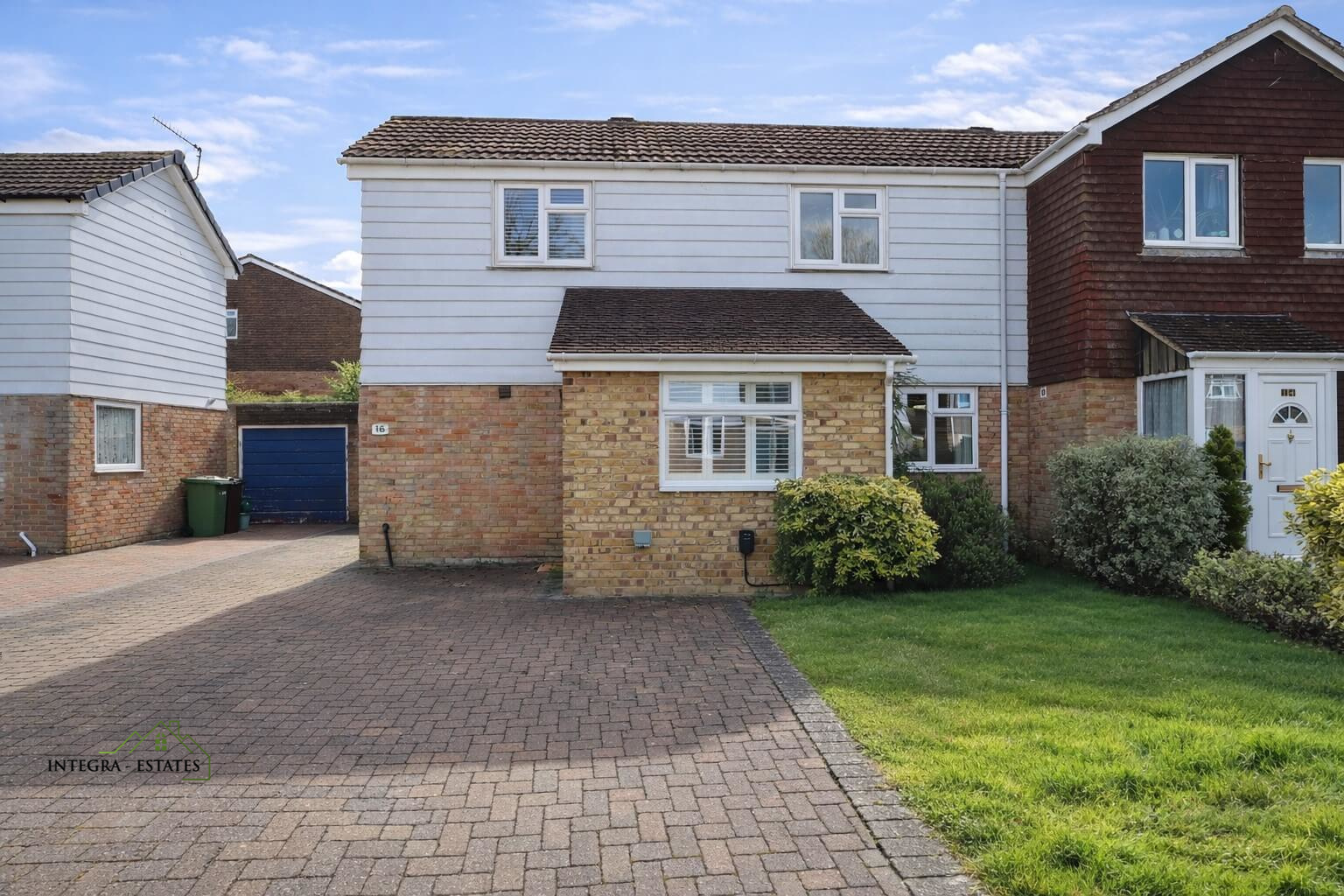
Give the photographer a clear view of the property where possible. Move bins, loose equipment and your own vehicles when it is safe and practical to do so. Check that the approach, entrance and garden look cared for without suggesting boundaries or parking arrangements that do not exist.
The frontage image should still represent what a buyer will find. Do not remove a neighbouring building, disguise a road or digitally create a wider drive. Attractive marketing loses its value when the viewing reveals a different situation.
Trees and established planting need care, not indiscriminate cutting. Use Bromley's tree protection guidance before arranging work where protection may apply.
How should interiors be photographed honestly?
Open curtains, clean windows and use the room's lighting sensibly. A photographer can balance bright windows and darker corners without changing the colour of walls or pretending that the room receives sunlight it does not have.
Ask for photographs that explain the accommodation as well as those that create an appealing first impression. The buyer needs the principal rooms, the relationship with the outside space and any layout feature that might otherwise be confusing.
Our property marketing service brings together those presentation choices. A 360 degree tour can add context by helping a buyer understand how rooms connect, but it should supplement rather than replace an informed viewing.
When is digital staging appropriate?
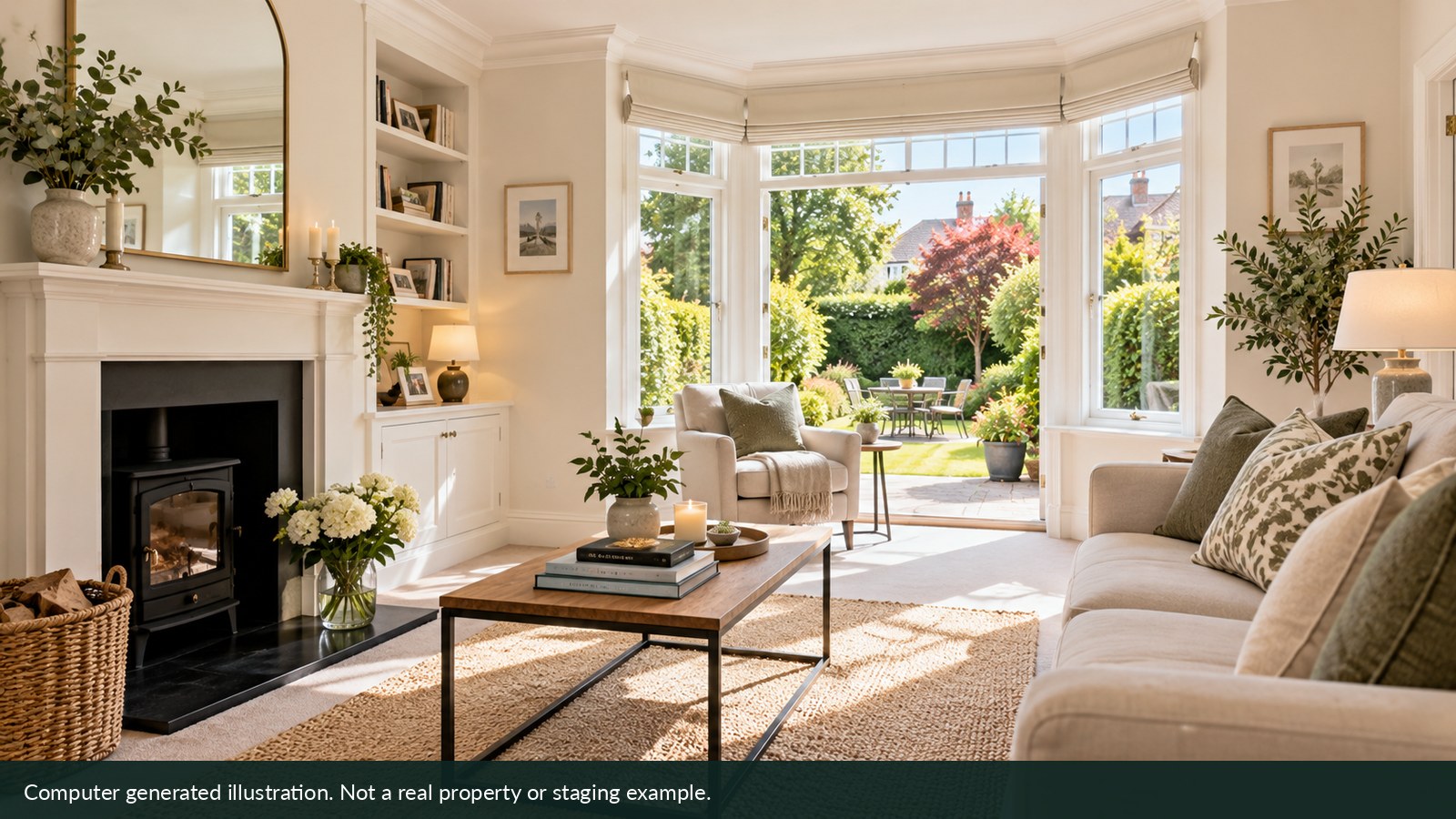
Digital staging can illustrate how an empty room might be furnished. It should be clearly identified, use plausible scale and leave the existing structure and condition understandable. Retain the original photographs so buyers can distinguish the property from the furnishing suggestion.
A staged image shows a possibility, not an included inventory or a completed refurbishment. Doors, windows, room dimensions and defects should not be changed to make the property appear more attractive.
Our digital staging information explains the service. Discuss which rooms would genuinely benefit rather than applying the technique simply because it is available.
What should happen on photography day?
Complete the main preparation before the appointment, then make a final check of surfaces, mirrors, bathroom items and the route between rooms. Remove personal paperwork and anything you do not wish to appear publicly.
Confirm which rooms and exterior views matter most. Tell the photographer about access restrictions, pets and any feature that needs a careful explanation. The aim is an organised session, not a last minute attempt to redesign the house.
Once the material is ready, review the photographs, floorplan and wording together. An accurate floorplan and a clear description should support the images rather than contradict them.
Agree a preparation budget before you begin
Integra-Estates can help distinguish useful work from unnecessary expenditure and explain how the house can be presented in its current condition. Our Park Langley seller guide sets out how that advice fits into the wider service.
Call 020 3870 00 00 before committing to substantial work purely for a sale. Sometimes the most useful advice is about what not to change.
How much is your property worth?
Get your property valued by a local expert
Get A Valuation
-1.png)
.jpg)
.jpg)
.jpg)

Blogs
Loading photographs…
Let's Talk
If you want to discuss your property, plans for the future, or just want some friendly advice. There'll be no pressure, Just equal measures of common sense and expert advice to point you in the right direction.
Get In Touch