Rockingham Estate, SE1: History Beneath Everyday Life
Rockingham Estate, SE1: History Beneath Everyday Life
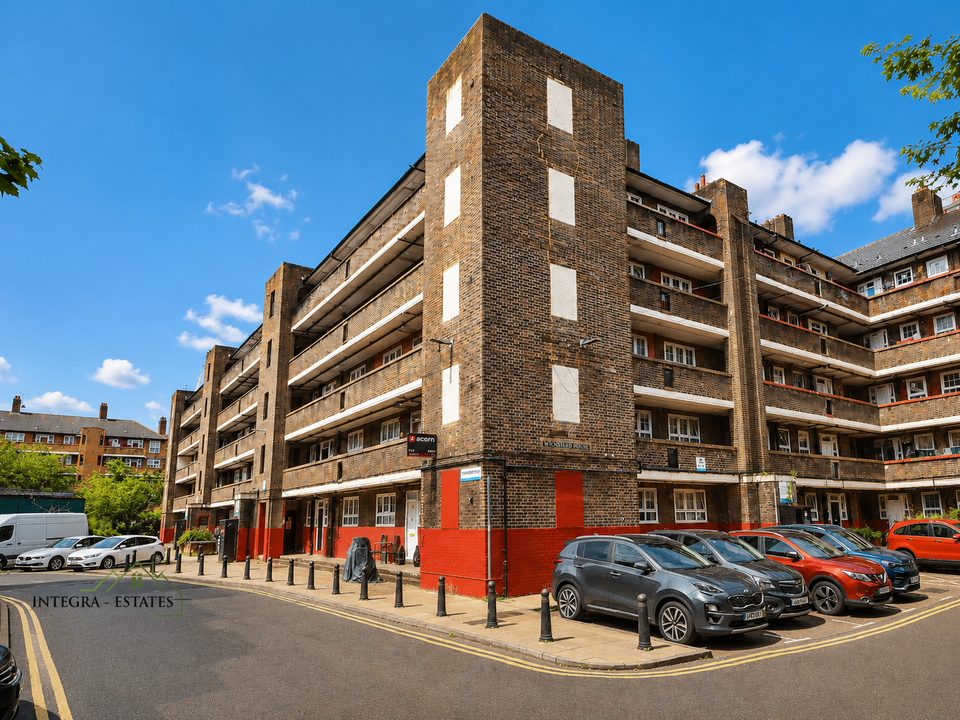
The history of Rockingham Estate is not confined to the dates on its buildings. It is also being recorded through residents’ memories, community projects and, most recently, an investigation of what remains beneath the ground.
For someone considering a home on the estate in SE1, that history gives useful context. It should sit alongside, rather than replace, a clear understanding of the particular flat, the shared building and the obligations of ownership.
How are residents recording the estate’s history?
The Rockingham tenants and residents association’s heritage account records a ninetieth birthday celebration in 2025, alongside projects collecting local stories and photographs. The ninetieth anniversary belongs to that 2025 chapter of the estate’s history.
The association also describes oral history work and activities involving younger residents. These projects are valuable because they record the estate through people who know it, rather than reducing its identity to a property description.
Community participation is personal. A new resident should explore the current opportunities directly rather than assume that a particular event, facility or allocation will automatically be available to them.
What the 2026 investigation found
In May 2026, the association reports that a team from UCL’s Institute of Archaeology investigated surviving wartime shelters in two areas off Bath Terrace. Its account dates the London County Council shelters to 1938 to 1940 and explains that most were sealed after the war.
The work examined remains near Stephenson House and between Banks and Brunlees Houses. The association describes cameras being used to investigate spaces that could not safely be entered. These are archaeological remains, not a visitor attraction that prospective buyers should expect to access.
The investigation adds physical evidence to the estate’s recorded history, alongside the memories and photographs collected by residents.
What heritage can and cannot tell a buyer
A strong sense of place can influence how someone feels about a home. It does not establish the condition of a building, the cost of repairs or the legal terms of a purchase.
When viewing, separate those questions. Enjoy the setting and learn about the community, then examine the route to the flat, the communal areas and the accommodation itself. Think about light, privacy, storage and the position of bedrooms in relation to shared routes and adjoining homes.
Visit at a time that reflects your routine. The experience of arriving with shopping or returning after work can reveal practical details that are easy to miss during a brief daytime appointment.
Can prospective buyers visit the wartime shelters?
Do not assume access is available. The reported archaeological work included camera inspection where entry was unsafe. Treat the remains as a heritage subject, not an advertised amenity attached to a flat.
Does the estate’s history establish the condition of a flat?
No. The building, lease and maintenance information need their own investigation. Community heritage provides context, while the solicitor and surveyor advise on the particular purchase.
Understand the building’s responsibilities
For a leasehold purchase, ask your solicitor to establish what is included in the lease, how the building is managed and which costs are passed to the leaseholder. Obtain the relevant accounts, budgets and information about planned works.
Do not assume that a communal area’s current appearance tells you everything about its future maintenance. Equally, an item of planned work should be understood from the actual documents rather than treated automatically as a reason to abandon a purchase.
The Leasehold Advisory Service’s service charge guidance explains the role of the lease and the information needed to understand charges. Your own solicitor should advise on the particular obligations being acquired.
Make two sets of notes during a visit. In one, record what you like about the estate and community. In the other, record the questions on the flat, communal repairs and lease. The community story and the purchase checks complement one another; neither should be allowed to stand in for the other.
Compare the home with realistic alternatives
A fair comparison should consider usable size, floor level, access, outside space and running costs, as well as the wider setting. A flat in an established estate and one in a recently built development may suit different priorities even when their asking prices are similar.
Ask what you would gain and what you would give up with each option. A larger room may matter more than a shared facility you would rarely use. Another household may reasonably make the opposite choice.
Make room for both the story and the evidence
The Rockingham heritage work deserves to be described accurately and attributed to the people and organisations carrying it forward. A property decision deserves the same care with its documents, condition and ongoing costs.
A neighbourhood’s story can help you understand where you are buying. It cannot replace the checks on what you are buying.
Our leasehold purchase checks explain the documents behind an apartment sale. Although that guide uses Bromley as its setting, its practical questions about the lease, management and charges are useful starting points here too.
For help assessing a property in SE1, contact Integra-Estates on 020 3870 0000. We will distinguish verified property information from matters that need a solicitor, surveyor or the building’s management to confirm.
How much is your property worth?
Get your property valued by a local expert
Get A Valuation



Blogs
Loading photographs…
Let's Talk
If you want to discuss your property, plans for the future, or just want some friendly advice. There'll be no pressure, Just equal measures of common sense and expert advice to point you in the right direction.
Get In Touch